
Oct 15 2026 13:00
Quick SummaryA fall tune-up checks the heating side of your HVAC system, including the thermostat, electrical components, safety controls, airflow, and condensate drain. For homeowners in Sealy and...
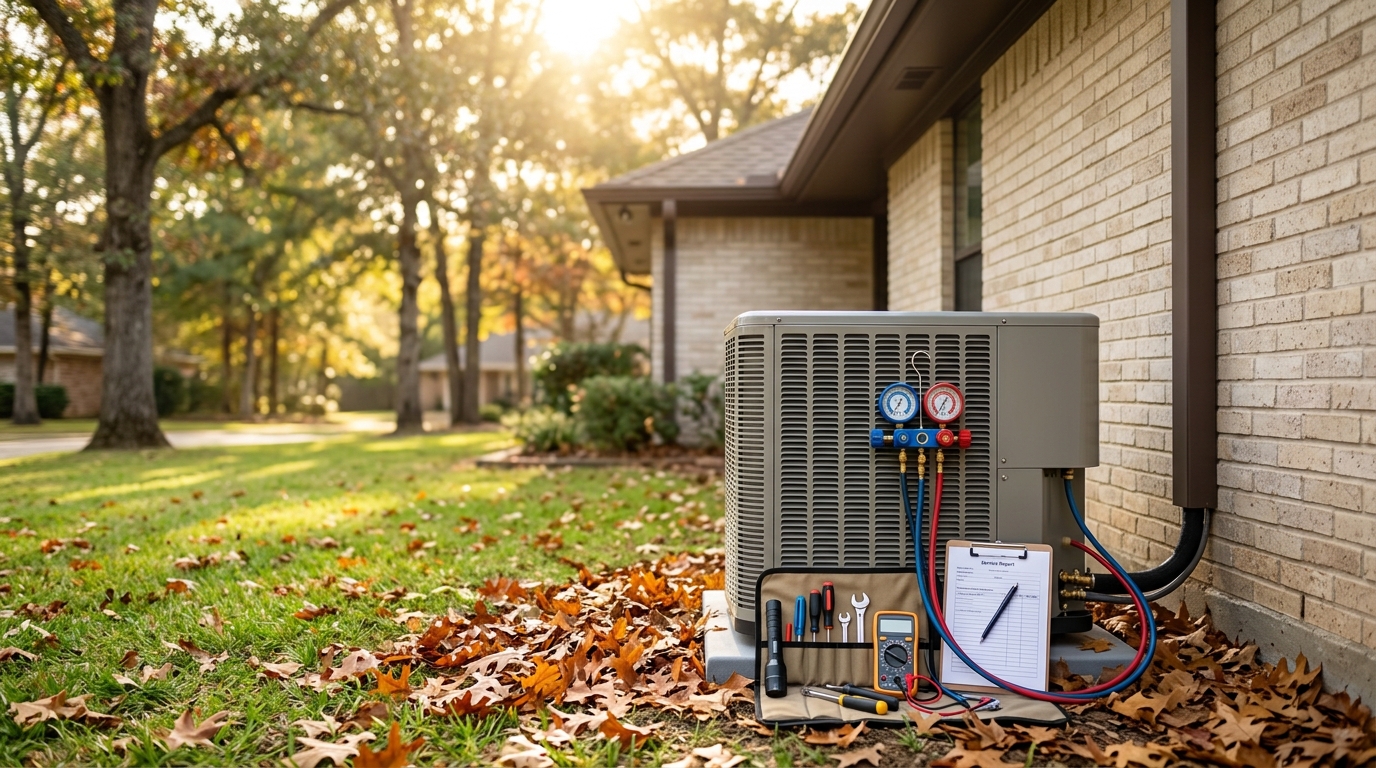
Quick Summary
A fall tune-up checks the heating side of your HVAC system, including the thermostat, electrical components, safety controls, airflow, and condensate drain. For homeowners in Sealy and surrounding Austin County communities, September through November is the best window to schedule service before the first cold front arrives.
Even though Southeast Texas winters are usually mild, a heating system that has been sitting idle can reveal problems the first time you need it. A seasonal visit gives us a chance to catch concerns early and help your home transition comfortably from cooling season to heating season.
Why Fall HVAC Maintenance Matters in Southeast Texas
In Sealy, the air conditioner does most of the heavy lifting for much of the year. That can make it easy to overlook the heating side of the system until a sharp temperature drop puts it to work. Then, a thermostat setting gets changed, the system starts up, and an issue that went unnoticed all year suddenly becomes a comfort problem.
At Home Total Comfort Solutions Air Conditioning and Heating Service Company, we recommend fall service because it is the practical time to inspect operation before you depend on heat. Scheduling ahead also gives homeowners more flexibility than waiting until a cold front is already here and many neighbors are calling for heating repair.
For homes with a heat pump, the same outdoor unit that worked through the long Sealy cooling season also has an important role in heating. The system reverses its refrigeration cycle to move heat indoors. That changeover needs to happen correctly, and electrical connections, controls, refrigerant performance, airflow, and the outdoor equipment all affect how well it does its job.
For homes with a furnace, the equipment may sit unused for months. A burner, ignition, venting, blower, safety switch, or electrical issue may not become obvious until the first call for heat. A fall inspection is designed to find those concerns on a planned visit rather than during an uncomfortable surprise.
That First Heating Smell: What Is Normal?
Many homeowners notice a brief dusty or slightly burning smell when turning on heat for the first time. In many cases, that is simply dust burning off components that have not run since the previous heating season. It should be short-lived and fade as the system runs.
A smell that lingers, grows stronger, smells like melting plastic or electrical burning, or comes with smoke, unusual noises, or repeated breaker trips is different. Turn the system off and call for professional help. If you have a gas furnace and smell gas, leave the area, avoid switches and flames, and contact your gas provider or emergency services as appropriate before arranging HVAC service.
Do not try to “wait out” a persistent odor. Safe, dependable heating starts with treating unusual signs seriously.
What We Check During a Fall Tune-Up
A good heating tune-up is more than a quick look at the equipment. Our HVAC maintenance
visits focus on the parts of your system that affect safety, reliability, comfort, and performance.
We start with the thermostat. It needs to read the indoor temperature accurately, respond to settings, and communicate properly with the system. A thermostat issue can look like a heating failure when the equipment itself is capable of operating normally.
We also inspect electrical components and connections. Heat pumps, furnaces, air handlers, and blowers rely on wiring, relays, capacitors, contactors, and other components to start and run correctly. Loose or worn connections can contribute to unreliable operation and, in some cases, create safety concerns.
Safety controls are especially important on a heating visit. Depending on the system, we check protective switches and operating controls that help shut equipment down when conditions are not safe. With gas furnaces, we also look at heating operation and visible venting-related concerns as part of a professional evaluation.
Airflow matters in every season. A dirty filter, blower issue, blocked return, or restricted supply register can make rooms feel uneven and place unnecessary strain on the system. We assess airflow-related conditions because your equipment cannot deliver the comfort you expect if conditioned air cannot move through the home properly.
We inspect the condensate drain, too. Even in heating season, heat pump and air-handling equipment can involve moisture management. A clogged or poorly draining line can lead to water backups, shutdowns, and avoidable messes. Keeping the drain clear is a small but meaningful part of preventive care.
For a heat pump, the outdoor unit deserves attention after a demanding cooling season. Leaves, grass clippings, dirt, and other buildup can restrict the system. For a furnace, we focus on its heating-specific components and safe startup. In either case, Home Total Comfort Solutions takes the time to explain what we find in plain language.
Simple Steps Homeowners Can Take Between Visits
Professional maintenance is the foundation, but a few simple habits can help your heating and cooling system operate more consistently between appointments.
- Check your air filter monthly and replace it when it is dirty or according to the filter manufacturer’s guidance.
- Keep supply registers and return grilles open and clear of furniture, rugs, and stored items.
- Keep the outdoor unit free of leaves, grass, and overgrown vegetation, leaving room for airflow.
- Pay attention to new noises, odors, short cycling, uneven temperatures, or a sudden rise in utility bills.
If your system runs but does not warm the house, do not assume it is a minor thermostat issue. Our guide to a heating system blowing cold air
can help you understand a few possible causes, but a persistent issue deserves a trained technician’s evaluation.
How Our Yearly Maintenance Agreements Work
Many homeowners prefer to make seasonal service routine rather than another item to remember. Home Total Comfort Solutions offers yearly maintenance agreements
built around two seasonal visits each year, typically one for cooling and one for heating. Every tier also includes repair discounts, helping members plan ahead for routine care and receive savings if a repair is needed.
The Bronze agreement provides the two seasonal maintenance visits and repair discount. It is a straightforward option for homeowners who want a reliable schedule for professional system checks.
Silver includes the two seasonal visits and repair discount, plus an outdoor condenser coil wash. The outdoor coil releases heat during cooling operation, and clean coil surfaces support proper airflow and efficiency after a long Texas cooling season.
Gold includes the two seasonal visits and the largest repair discount. It also adds an outdoor condenser coil wash and indoor evaporator coil chemical cleaning. The indoor coil plays a major role in cooling performance and moisture removal, and targeted chemical cleaning can help address buildup where it matters. We will always discuss the condition of your equipment and make honest recommendations about the level of care that makes sense for your home.
Whether you choose Bronze, Silver, or Gold, the goal is the same: give your equipment attention before small concerns turn into inconvenient service calls. Home Total Comfort Solutions serves homeowners throughout Austin, Colorado, Washington, and Waller Counties with a residential-first approach and a commitment to doing the job right the first time.
FAQ
How often should Texas HVAC be serviced?
Most Texas homes benefit from HVAC service twice a year: once in spring before heavy cooling use and once in fall before heating season. This schedule gives a technician the opportunity to inspect the appropriate side of the system before its busiest season. Older systems, homes with pets, high dust levels, or indoor air quality concerns may need additional attention.
Is fall HVAC maintenance worthwhile in mild winters?
Yes. Mild weather does not eliminate the need for dependable heat when a cold front arrives. Fall service helps verify that a heat pump or furnace can start, run safely, move air properly, and respond to thermostat settings. It can also help identify issues while scheduling is less urgent than it may be during the first cold spell.
Can maintenance support manufacturer warranty requirements?
Regular maintenance can support the documentation and care expectations that many manufacturers include in their warranty terms. However, maintenance does not guarantee warranty coverage. Coverage depends on the manufacturer, registration status, equipment age, the specific failure, installation details, and the written warranty conditions. Keep your service records and review your equipment’s warranty documents for the most accurate information.
The fall service window closes quickly once cooler weather starts moving through Southeast Texas. To schedule a heating tune-up with Home Total Comfort Solutions Air Conditioning and Heating Service Company, call 979-472-1264 or request service today.