
Nov 19 2026 14:00
Quick Summary: For many Southeast Texas homes, a heat pump can be an efficient choice for short, mild winters because the same system provides both heating and cooling. A gas furnace delivers...
Quick Summary:
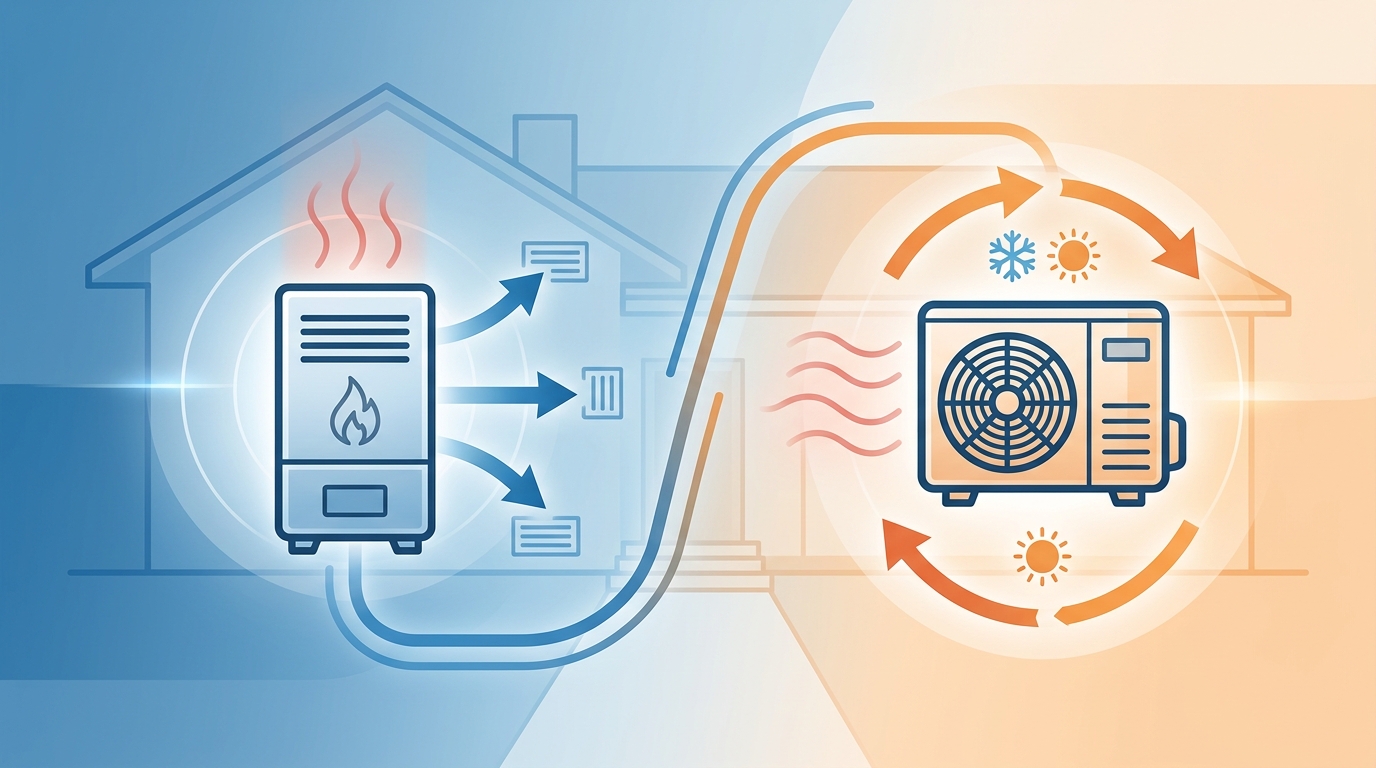
For many Southeast Texas homes, a heat pump can be an efficient choice for short, mild winters because the same system provides both heating and cooling. A gas furnace delivers hotter supply air and dependable performance on colder nights. The better fit depends on available fuel, current equipment, budget, efficiency priorities, and the level of warmth your household expects when temperatures drop.
Choosing between a furnace and a heat pump is not always a simple matter of picking the newest option. In Sealy and across Austin, Colorado, Washington, and Waller Counties, homeowners need heating that works well through damp, changeable winters while also supporting dependable air conditioning through long, humid summers.
Home Total Comfort Solutions Air Conditioning and Heating Service Company takes a repair-first approach. If your current system can be repaired safely and sensibly, we will explain that option. When replacement is the better long-term decision, we help you compare practical choices without pressure.
How a Furnace Heats Your Home
A gas furnace creates heat by burning natural gas in a sealed combustion area. The system transfers that heat into the air moving through your ductwork, then sends warm air to the rooms of your home.
Because a furnace produces heat directly, the air coming from the vents generally feels noticeably hot. That can be especially comforting during a hard cold snap, when outdoor temperatures dip lower than usual and a home loses heat more quickly.
A furnace is part of a split heating and cooling setup. It works with an indoor coil and an outdoor air conditioner, so the cooling side and heating side are separate pieces of equipment that work together through the same duct system.
How a Heat Pump Heats and Cools
A heat pump does not create heat through combustion. Instead, it moves heat. In cooling mode, it works much like an air conditioner by moving heat from inside your home to the outdoors. In heating mode, it reverses that process and pulls available heat from the outdoor air into the home.
That may sound surprising on a chilly day, but outdoor air can still contain usable heat even when it feels cold outside. This makes heat pumps well suited to the generally moderate winter conditions common in Southeast Texas.
Since one system handles both heating and cooling, a heat pump can be a streamlined option for homeowners planning a new air conditioning installation in Sealy or replacing an older central system. During cooling season, correct installation and maintenance also matter for managing indoor humidity and keeping the home comfortable.
Why the Southeast Texas Climate Matters
Sealy winters are usually brief compared with winters in colder parts of the country. Many days are mild enough that a heat pump can provide comfortable, efficient heat without the need for a furnace.
Still, local weather is not mild every day. Cold fronts can bring damp, near-freezing conditions, and those are the nights when homeowners may notice the difference between heat pump air and furnace air. A heat pump may run longer and deliver air that feels warm but not as hot as furnace supply air. That does not automatically mean anything is wrong with the system.
For some households, the efficiency and all-in-one design of a heat pump fit the local climate well. For others, the stronger, hotter feel of furnace heat offers more reassurance during cold weather. There is no universal answer, which is why Home Total Comfort Solutions looks at the home, the equipment, and the homeowner's preferences before recommending a path.
Understanding Auxiliary and Emergency Heat Strips
Most standard heat pump systems include electric auxiliary heat strips in the indoor unit. These strips provide supplemental heat when the outdoor temperature is low, when the heat pump needs help catching up after a thermostat adjustment, or during a defrost cycle.
Defrost cycles are normal. In humid weather, frost can build on the outdoor unit's coil. The system briefly changes operation to clear that frost, and the auxiliary heat helps prevent cool air from blowing into the home during that process.
Some thermostats also show “emergency heat.” This setting generally bypasses the outdoor heat pump and relies on electric heat strips alone. It is typically intended for situations when the outdoor portion of the heat pump is not operating correctly. It can provide needed warmth, but it is not usually the most efficient setting for everyday use.
If your heat pump is frequently relying on auxiliary heat in ordinary weather, or if the home is not warming properly, a heating repair visit in Austin County can identify whether the concern involves settings, airflow, the thermostat, the outdoor unit, or another issue.
Heat Pump Benefits and Tradeoffs
The biggest advantage of a heat pump is versatility. It provides heating and cooling from one primary system, which can make it an appealing option for homes without natural gas service or for homeowners who want an electric heating solution.
In the mild stretches of a Southeast Texas winter, heat pumps can heat efficiently because they transfer heat rather than generate it through fuel combustion. They can also simplify a replacement decision when both the heating and air conditioning equipment are due for attention.
The tradeoff is comfort perception during colder weather. Heat-pump supply air is often cooler than furnace supply air, even when the house reaches the thermostat setting. Electric auxiliary heat may also be needed during more demanding conditions. Homeowners should weigh operating preferences, not just the equipment label, when considering a new heating system in Sealy.
Furnace Benefits and Tradeoffs
A gas furnace provides strong, steady heat and hotter air at the registers. For homeowners who dislike the longer heating cycles sometimes associated with heat pumps, that comfort difference can matter. Furnaces can also be a logical choice when a home already has dependable natural gas service and compatible cooling equipment.
The main consideration is fuel availability. In parts of rural Austin, Colorado, Washington, and Waller Counties, natural gas may not be available at every property. Extending service can be impractical or expensive, and not every home has an existing gas line or venting arrangement suited to a furnace.
Home Total Comfort Solutions will not assume a gas furnace is automatically the better option simply because it provides hotter heat. We consider what fuel is actually available, what equipment is in place, how the home is used, and what makes sense for the homeowner's budget.
A Note About Dual-Fuel Heating
Dual-fuel systems are another general concept homeowners may encounter while researching heating options. They pair a heat pump with a gas furnace. In milder weather, the heat pump handles heating. When conditions become cold enough, the system switches to furnace heat.
This approach can combine efficient heat-pump operation during much of the season with furnace performance during colder periods. Whether it is feasible depends on the property, fuel access, equipment compatibility, and installation details. It is useful to understand as a comparison point, even if it is not the right direction for every home.
Why Proper Sizing and Installation Matter
The best furnace or heat pump will not perform as intended if it is poorly sized or installed. Equipment must be selected for the home's layout, insulation, windows, ductwork, airflow, and real heating and cooling needs. Oversized equipment is not automatically better, and it can create comfort and humidity concerns.
Our guide on why bigger isn't always better
explains why a thoughtful evaluation matters for Southeast Texas homes. Proper installation also includes attention to duct connections, drainage, electrical components, refrigerant setup, safety controls, and thermostat operation.
Home Total Comfort Solutions is a residential-first HVAC company in Sealy. We focus on doing the job right the first time, so homeowners can make a decision based on comfort and practical needs rather than a rushed sales pitch.
When Repair May Make More Sense Than Replacement
A heating problem does not always mean you need a new system. Issues such as a failed thermostat, worn electrical component, restricted airflow, ignition concern, dirty equipment, or a neglected maintenance need may be repairable. If your furnace is not starting or your heat pump is not keeping up, an accurate diagnosis should come before a replacement recommendation.
Replacement may deserve consideration when repairs are becoming frequent, a major component has failed, the system cannot maintain comfort reliably, or the current setup no longer fits the home's needs. A homeowner replacing an aging air conditioner may also decide it makes sense to evaluate the full heating and cooling system at the same time.
For homeowners who do need new equipment, our heating installation and replacement
service is designed to help compare options clearly. We can also discuss compatible RUUD and Amana systems
for homes in the Sealy area.
FAQ
What is the best heating system for a Texas home?
The best heating system depends on the home and the homeowner's priorities. A heat pump is often a practical choice for mild Texas winters because it also provides cooling. A gas furnace may be preferred by homeowners with natural gas service who want hotter supply air and steady heating on cold nights. Equipment condition, ductwork, budget, and comfort expectations all matter.
Do RUUD and Amana make furnaces and heat pumps?
Yes. RUUD and Amana offer both furnace and heat-pump options. The right equipment type and configuration should be matched to your property, fuel availability, and heating and cooling needs rather than selected based on a one-size-fits-all recommendation.
Is financing available for a new heating system in Sealy?
Financing options may help homeowners plan for a needed heating replacement without delaying an important comfort or reliability decision. Home Total Comfort Solutions can explain available financing options and help you understand the next steps during an in-home evaluation.
The best choice between a furnace and heat pump depends on your home, not a generic rule. To schedule an in-home evaluation or ask about financing for a new heating system in Sealy, call Home Total Comfort Solutions at 979-472-1264.